Time to Organise Your Wardrobe — Here's How to Start
It is important to organise your wardrobe, and, as is often the case, there are several ways to do so.
In this article, I’ll talk through: Why organise your wardrobe, when to organise your wardrobe and two different ways to organise your wardrobe proactively or reactively.

Why organise your wardrobe?
Organising your wardrobe offers several practical benefits. First, it saves time by making it easier to find what you need quickly, eliminating the hassle of searching through piles of clothes. It also saves space, as neatly arranged items take up less room, creating a more functional and tidier environment. Additionally, an organised wardrobe can save you money by preventing unnecessary purchases—you’ll have a clear view of what you already own, reducing the chances of buying duplicates. Finally, it helps you avoid wading through clothes you don’t use or like, allowing you to focus on pieces that truly suit your style and needs.
When to organise your wardrobe?
The start of summer or winter are the key times to organise your wardrobe. I find that it tends to be a nice organising project because often we are excited about the season to come and the clothes we haven’t worn for a while. Maybe you are back in your winter woollies, or it is summertime on the horizon with bathing suits and summer dresses.
As a rough rule of thumb, in the last couple of years, I would have a quick look through all the clothes in the house at around about April, before the weather would cool off or in October, before it heats up in Australia.
Checking seasonal clothing twice a year is a good idea, especially if you have kids, as you will need to check if they still fit last year’s clothes. Clearly, we adults “never” change size, so it is most important when you organise your wardrobe to see if you still like your items or if it is time to do a quick declutter.
Organise your wardrobe for yourself
For yourself, you probably want to check whether the clothing you own is enough and still looks good and feels comfortable to wear. Does it still fit your lifestyle between work, hobbies and family engagement?
Organise your wardrobe for the kids
The only thing you have to do to get your family's clothes organised for the next season is spend one afternoon sorting through the clothes in your house, and then, possibly another day, buying some extra items. When the kids were younger, I would do this in two out of the four school holidays, it gave us several activities, organise wardrobe, buy some more clothes that were missing for the upcoming season and we would normally make it a fun outing with a lunch at the shops during the school holidays.
“This brings me to one of the concept that is used in organising, the concept of being proactive or reactive – it fits beautifully with our topic: how to organise your wardrobe.”
How to organise your wardrobe?
Clearly proactively organising anything has a better reputation than reactively organising things, this also applies when you organise your wardrobe. However, sometimes feeling the discomfort of things not being perfectly organised can be the secret motivational kick you might need. The later is one of the reasons I am focused on organising, not because I am always passionate about doing it, I simply like my life better when I am organised.
Organise your wardrobe Proactively
Proactive organisation involves preparing for likely future needs, such as sorting through winter clothes in April, knowing colder weather is approaching. Stephen Covey, author of The 7 Habits of Highly Effective People, emphasised the importance of being proactive rather than reactive.
Combining proactive habits with organisation leads to greater efficiency. However, being proactive isn’t always easy, especially when life is busy. We often move from one task to the next without pausing to plan ahead. But even small proactive steps can make a big difference in managing your wardrobe and your life.
Organise your wardrobe Reactively
Reactive organisation happens when you respond to situations due to a lack of prior planning. For example, instead of checking your winter clothing in April, you might wait until it gets cold.
A real-life example of reactively organising your wardrobe
Years ago, when I was juggling single parenthood, work and live in general - too busy with work to sort clothes earlier.
I found myself with this little boy in the back of the car freezing in his shorts, as he had outgrown all his long pants. The result was that one cold early morning, we needed to buy some winter pants for him as an emergency shopping trip! How very ‘organised’!
A little time spent looking at the clothes, say four weeks earlier, would have prevented a last-minute rush to the shops. There will of course always be times and instances that we will be reactive to a degree, but being proactive makes us more time efficient, cost efficient, and it makes day-to-day life often a lot easier.
Over to you, how Can You Be More Proactive This Week?
Reflect on how you can take small steps towards proactive organisation and maybe how to organise your wardrobe this way. A little effort now can lead to big benefits later.
Other articles to help you organise your wardrobe and clothes in general
Clothes are both a very challenging and very rewarding thing to organise. Have a look at the following articles:
And, of course, there is some information on the capsule wardrobe:
Want to take this further?
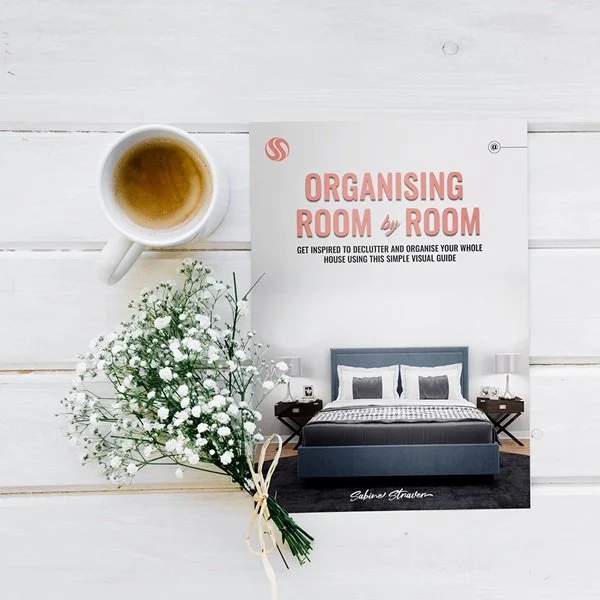
Organising Room by Room covers your wardrobe in detail — how to clear it out, set it up properly, and keep it that way.
Frequently Asked Questions
How often should I organise my wardrobe?
Twice a year is enough for most people — once before the weather cools down and once before it heats up. This gives you a natural checkpoint to see what still fits, what you still love, and what needs to go.
What is the best way to organise a wardrobe?
Being proactive works better than being reactive. Set a seasonal reminder rather than waiting until you're caught out —like reaching for a jacket that no longer fits on the first cold morning. A little planning ahead saves both time and money.
How do I organise my kids' wardrobes for the new season?
Set aside one afternoon to sort through what they have, then take a separate trip to buy what's missing. Doing this during school holidays works well; it turns a chore into a simple, low-pressure outing.