Learn how to declutter with Sabine Straver?
You want to learn how to declutter, let’s get started. “Declutter” is a very big topic in itself. As with the other broad topic covered in this website, I will give you the basic rundown about the topic how to declutter and decluttering on this page

Is there a difference between decluttering and organising
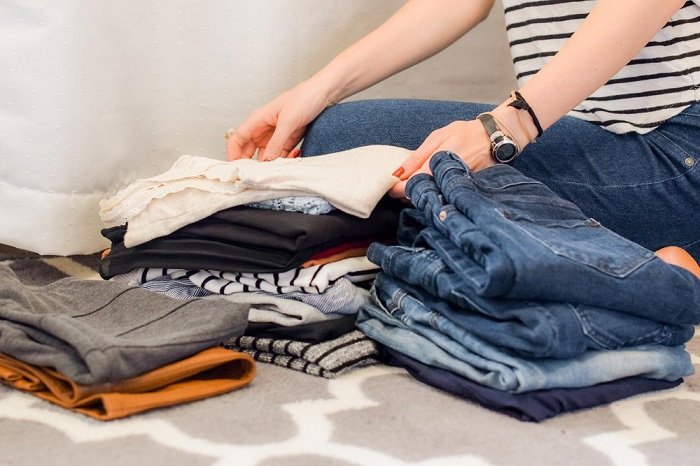
I would define decluttering as the removal of items you no longer need and want. Decluttering has different levels and at different stages of life, you will declutter to a lesser or greater extent, depending on what your needs are.
Declutter
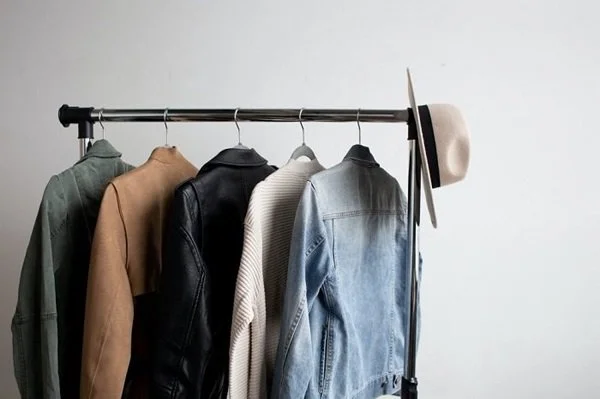
Organising, on the other hand, is finding or creating a clear, uncluttered, easy (organised) place where you keep the belongings you decide to hold onto. Overall life and the accumulation of items flows.
Organise
Pick One Area
It is better to finish one shelf than to mess up a full cupboard and the area around it. Starting small keeps the task manageable and gives you a real sense of progress, rather than leaving several half-finished spaces that add to the overwhelm instead of reducing it.
Set A Time Limit
We do not want to get burned out by overdoing our decluttering session — for most people this is a taxing task. Small, solid, regular progress is best. Set a realistic time limit before you start, and stop when it's up, even if the area isn't finished yet.
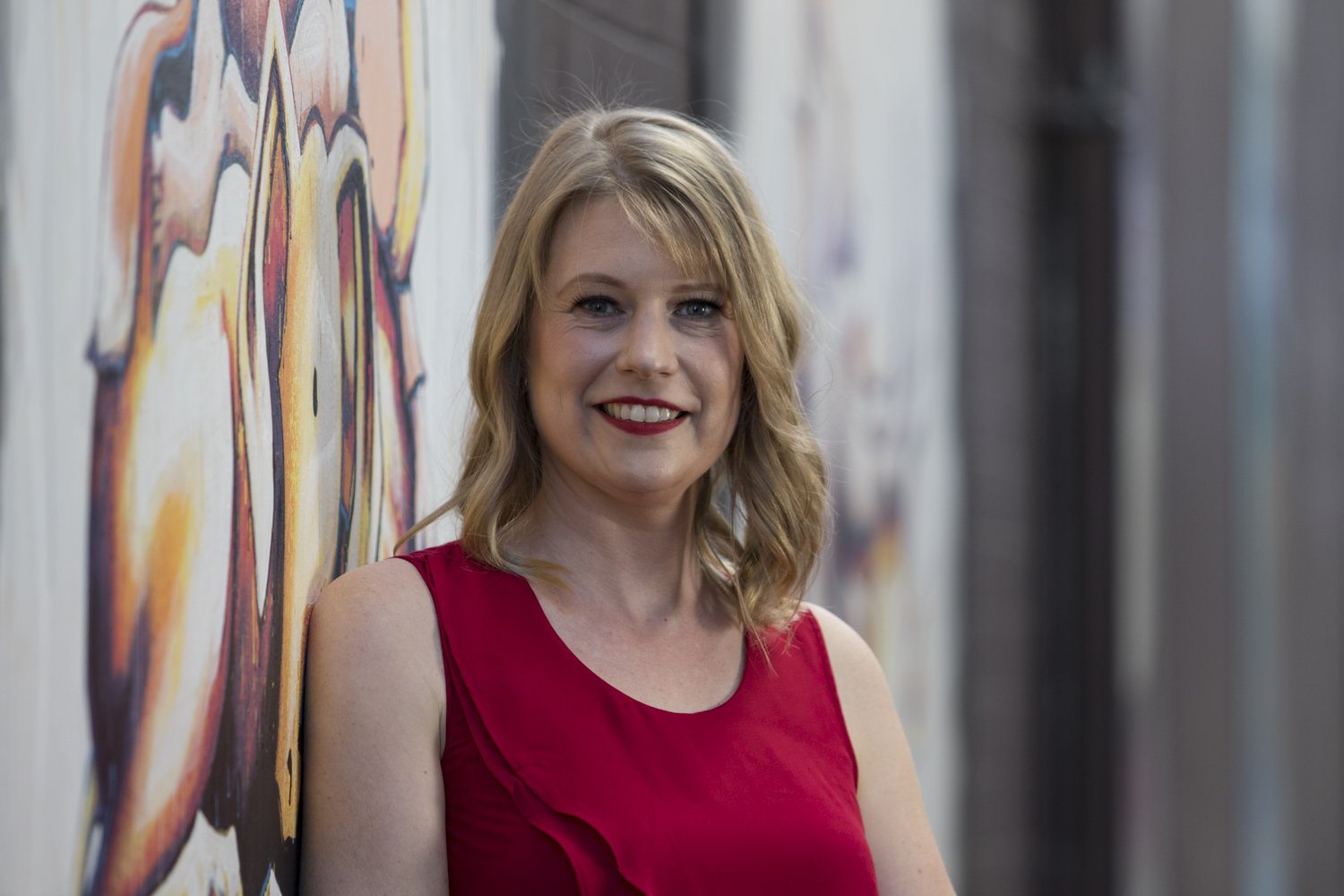
Sabine Straver, FounderSort Through Items
The starting point with decluttering is asking ourselves what to throw or give away, and what we will keep. Unfortunately this process is not that straightforward — most people overthink every item, which slows everything down. A simple rule of thumb helps: if in doubt, it goes.
Have A Reward
Decluttering can feel like a chore, so give yourself something to look forward to once the area is done. It doesn't need to be big — a coffee, a walk, or simply enjoying the clear space you've created is enough to make the habit stick.
What to know before getting started
Not sure where to start? Reach out with any questions, or if you're ready to dive right in, browse the guides and courses today.
-
Most people begin with one small area, like a single drawer or shelf, rather than tackling the whole house at once. Trying to do everything at once is what causes the overwhelm in the first place. Small, consistent sessions build momentum, and momentum is what actually gets a home organised — not one exhausting weekend.
-
We teach principles, not rituals. Rather than following one rigid system, you learn adaptable rules that work regardless of your home, budget, or lifestyle — so the system fits your life instead of the other way around.
-
No special products or storage systems are required. Most organising problems are solved with habits and decision-making, not purchases. Our guides work with what you already have.
-
It helps most when at least one person leads and keeps the systems simple enough for others to follow naturally. Real, lasting change usually starts with one person — and the rest of the household follows once they see it work.
-
Not at all. These principles apply to any home size or lifestyle stage — from a share house to a busy family home with kids and pets. What matters is the system, not the square footage.