Mindful Decluttering: How to Deal With Guilt and Eco-Anxiety
Consumer guilt hits when you look around and see stuff you regret buying. Add eco-anxiety on top, worrying about what that stuff does to the planet and it gets heavy fast. If you’re working on mindful decluttering and feeling the weight of it all, you’re not alone.

When shopping started to feel heavy
I am familiar with and suffer regularly from consumer guilt andeco-anxiety. When my family and I travelled the world in 2025 we lived out of 6 suit cases between the four of us for a year across all continents and seasons. Life was both simple and complex at the same time. Now we returned to Australia and set up house again in 2026, we found stuff we missed (my own bed and European pillows for reading at night!), lots of stuff we forgot about, and the need to buy some more items because a new home and lifestyle requires stuff.
The guilt doesn't help. And one person can't fix a system built on consumerism. So what do you do with the feeling?
It was time to do a deep dive. If you suffer from consumer guilt and eco-anxiety please read on.
This is not a weakness; it’s care.
These feelings do not mean you are broken or “too sensitive.” A lot of thoughtful, globally aware people hit this exact wall. When you see how the world works and notice your own participation in it, it can feel heavy, even paralysing.
How I manage the feeling when it comes up
This is a recipe I used to manage these feelings. When I notice consumer guilt, I will acknowledge it as a form of grief. I will handle this moral grief and ecological grief resulting from consumer guilt and eco-anxiety, acknowledging that I am aware of:
the damage being done,
the gap between my values and reality,
the fact that I can’t opt out completely.
Grief needs acknowledgment, not fixing. “I’m sad because I care.” This reframes the feeling as evidence of my humanity, not a flaw.
In the midst of a bout of consumer guilt and eco-anxiety, I separate responsibility from control.
The voices against consumerism sometimes tell us we’re individually responsible for massive systemic problems. These sentiments are emotionally crushing and untrue.
A more helpful question and approach to dealing with consumer guilt and eco-anxiety is “What is mine to influence, and what is not?”
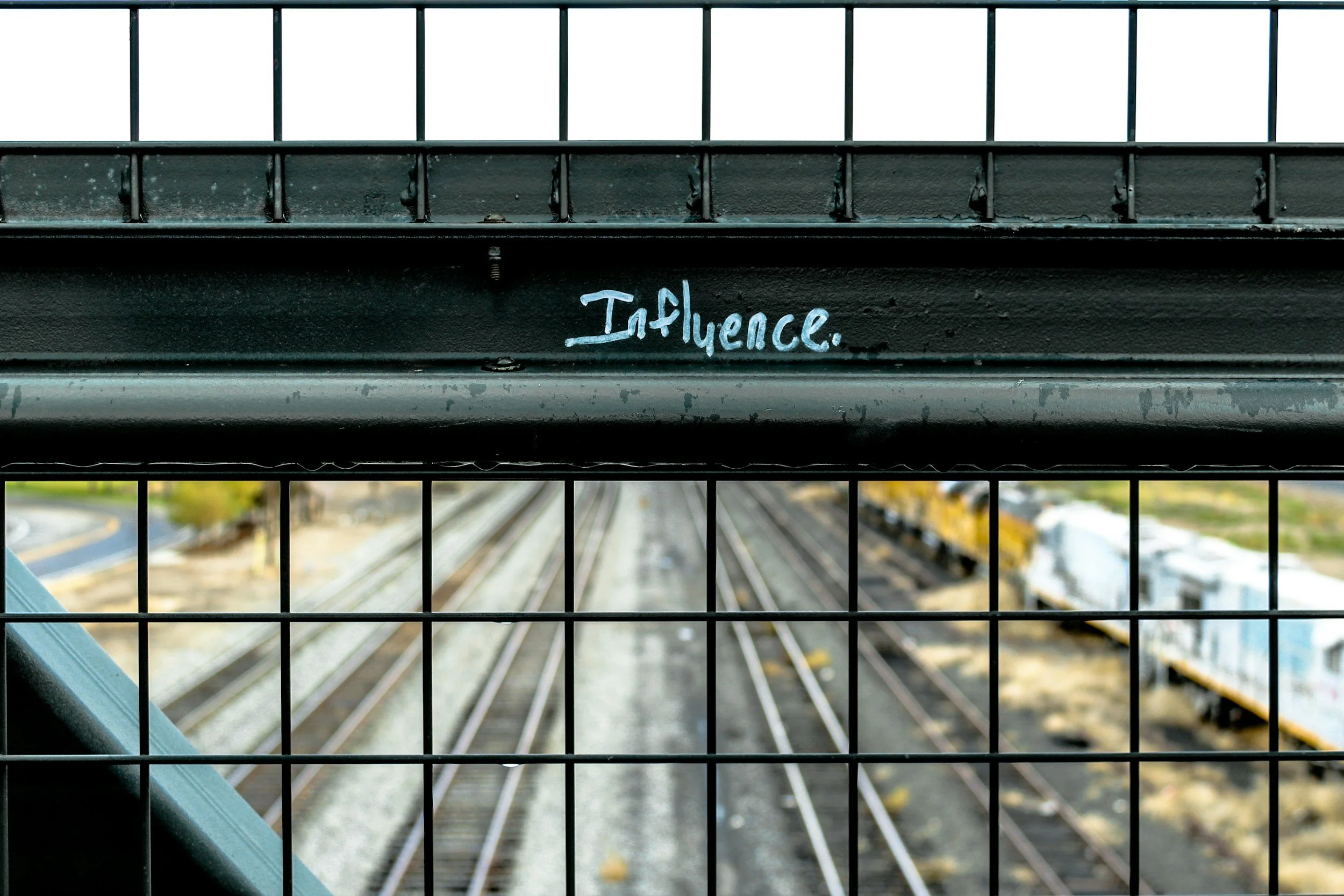
I am not responsible for:
global supply chains
corporate greed
structural/global inequality
I do have influence over how:
consciously I consume
I talk about it with others
I vote, support, or resist
I let the rest go. This isn’t giving up — it’s conserving energy.
Shrink the frame / focus on this week, not the world
The world is too big to hold all at once, when I hold the whole world in my nervous system, depression, desperation is a very sane response.
Instead, I will ground myself in my:
household
daily and weekly activities
I ask: “What would ‘enough’ look like this week?” This changes things from the state of the world being my responsibility to something small and manageable.
Direction beats purity
Trying to be a “good consumer” often becomes a trap of shame and all-or-nothing thinking.
Instead of:
Am I consuming ethically enough?
I ask myself:
Am I moving toward my values, imperfectly?
Examples:
buying less often, not never
repairing one thing instead of replacing it
choosing second-hand when it’s easy, not always
buying good quality so it will last a long time
Direction beats purity. Every time.

When in the midst of consumer guilt and eco-anxiety, I act in small, embodied ways
These actions help to counter the feelings of helplessness; depression thrives on abstraction. Action will ground me back in my body.
Some low-key, non-heroic actions I can:
cook a simple meal from scratch
mend something
walk somewhere instead of driving
grow one plant
donate or rehome something I no longer need
These aren’t about “saving the world” — they’re about reminding my nervous system that I am not powerless.
I can speak out and find others who feel the same way about consumer guilt and eco-anxiety
This kind of depression and helplessness gets worse in isolation. I can look for:
minimalism or slow-living communities
climate-aware but hope-oriented spaces
book clubs, repair cafés, community gardens
write about my experience; sure enough, there are plenty of others who feel the same.
Shared values turn despair into solidarity.
Values - consumer guilt and eco-anxiety
Interestingly, these deeply uncomfortable feelings of consumer guilt and eco-anxiety are linked to my values, which partly seem to be at odds with each other.
I can reframe my values (so they stop fighting each other)
I value:
Environmental responsibility
Financial responsibility
Functionality
Beauty and calm
Low visual and hidden clutter
A crucial reframe:
Buying one thing that works well, lasts, and brings calm is not out-of-control consumerism
Replacing many broken, annoying, or ugly things is consumerism
My discomfort isn’t with consumption — it’s with waste, churn, and regret.
These are not competing values. They converge into one core principle and a grounding mantra:
“I choose fewer things, chosen carefully, cared for well.”
The above reframe made me feel a bit better regarding consumer guilt and eco-anxiety. The next step is coming up with some tangible things to do regularly.
Daily rituals that calm the nervous system
These rituals take anywhere from 5-15 minutes and actually help the nervous system calm down. They are not productivity habits. They’re regulation + alignment rituals.
1. Daily consumer guilt and eco-anxiety - the “Enough Check”
The best time would be in the morning with my first coffee/tea. Ask myself:
What do I already have that is enough today?
What do I not need to fix, replace, or optimise today?
I can say it out loud: “Today, this is enough.”
This directly counters the consumer reflex without denying comfort or beauty.
2. Daily consumer guilt and eco-anxiety - One Small Care Act
I can choose one:
Wipe a surface slowly and properly
Put one item back where it belongs
Repair, sharpen, oil, or clean one thing
Delete 5 unnecessary digital items (photos, files, emails)
Not going to the shops today, instead going one or two days later, checking if I really still need/want the item
This reinforces a pause, care, and could reduce replacement or a purchase.
Weekly consumer guilt and eco-anxiety rituals
This is the deeper alignment work; these activities are aimed at preventing eco-anxiety, consumer guilt and depression from building up.
Weekly consumer guilt and eco-anxiety ritual 1:
The “Waste Without Shame” Review
Once a week, on the same day if possible.
Look at:
food waste
packaging
impulse purchases
things that didn’t work as hoped
trips to the store that weren’t required
And say: “This is information, not a moral failing.”
Then answer one question: What would make this slightly better next week? Slightly. Not perfectly.
Weekly consumer guilt and eco-anxiety ritual 2:
do a calm home audit
Choose one category only:
cleaning products
kitchen tools
clothes
storage
tech
Ask:
Does this work well?
Does this add calm or friction?
Would fewer, better versions reduce waste long-term?

These rituals allow you to upgrade strategically
This gives me permission to upgrade strategically, not impulsively.
Important rule: Upgrading is allowed if it reduces future waste, friction, or clutter.
Weekly consumer guilt and eco-anxiety ritual 4 reconnection to non-consumer joy
This is essential, I can choose one of the following activities:
A long walk in nature
library visit
music + tea ritual
gardening
cleaning ritual
writing or reading
During this time, there is no buying, no optimising. There is just being.
This reminds my nervous system that meaning is not transactional, it aligns me again to the values of minimalism, simple, clutter-free living, whilst I still function in a consumerist society.
Weekly consumer guilt and eco-anxiety ritual 3 conduct a values Spending Check-In
This is not a financial budget exercise, it is a values check.
Look at:
one purchase I am glad I made
one you regret (if any)
Then ask:
What pattern do I see?
What criteria do I want for future purchases?
Here are some “Buying Rules”:
must replace something
must last 5+ years
must be repairable
must reduce clutter
must feel calm
When the feeling hits suddenly — a 90-second reset
On top of the daily and weekly consumer guilt and eco-anxiety rituals, here is a short ritual for when the heaviness hits suddenly
When the Eco-anxiety, consumer guilt or depression spikes, try this 90-second reset:
Put one hand on your chest.
Name 3 things in the room that are already enough.
Say: “I didn’t create this system. I am doing my best inside it.”
Repeat until your body softens even a little.
What organising actually does for the environment
There’s a practical side to all of this that often gets overlooked. Organising and decluttering, done consistently, can genuinely reduce your environmental footprint, not through perfection, but through the cumulative effect of small, deliberate habits.
Declutter often, buy rarely, buy well
Once you’ve cleared your spaces, you become far more aware of what you bring into them. That awareness naturally slows down consumption. And when you do let things go, the faster you declutter, the more useful the item will be to someone else, free a book before it’s dated, pass on a film you loved, donate furniture that no longer suits you.
When you do buy, spend well. With furniture, appliances, and kitchen items especially, buying quality once is almost always better — environmentally and financially — than replacing a cheaper version three times over.
Being organised reduces duplication and impulse buying
When you know what you have, you stop buying duplicates. When your home is organised, you naturally ask yourself whether you have space before adding something new. That pause — small as it is — is where environmentally conscious habits quietly take root.
Dispose of things correctly
How you let go of things matters as much as how often you do it. Batteries and old phones are collected at many major retailers. Mattresses, old bras, and textiles often have dedicated collection and reuse schemes. The goal is to buy purposefully, care for what you own, and dispose of things correctly and promptly, while they can still be useful to someone else.
“The more you learn to organise and declutter, the less your environmental impact will be.”
A closing thought
I wrote this article because frankly, I’ll need to review it regularly myself. This, however, gives me some things to do rather than be paralysed by feelings and problems regarding consumer guilt and eco-anxiety, both phenomena I can’t single-handedly solve by myself, nor will they be resolved in a short span of time.
This article is to remind me and hopefully you that wanting beauty, function, and calm is not indulgence. It is a form of stewardship.
I am not failing in my values and actions — I am living them thoughtfully in an imperfect world.
Please add your comments. I would love to hear your thoughts.

Learn the basics of Organising!
If the clutter is about more than just tech, Organising Unpacked walks you through the thinking behind a calmer, simpler home, the principles that make decluttering actually stick.